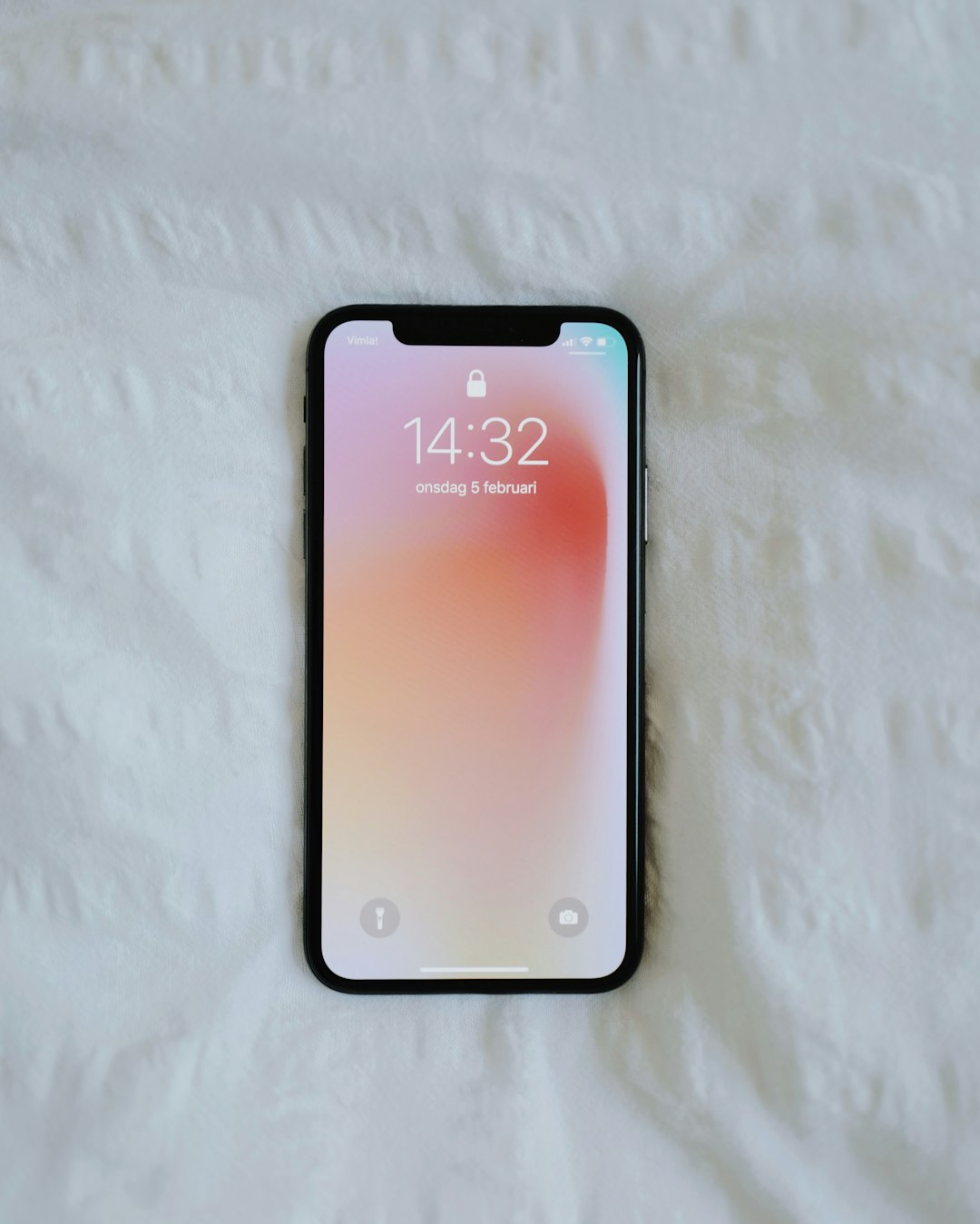
In Minnesota, understanding and leveraging the state's strict Do Not Call laws is crucial for combating spam text messages. Victims can protect themselves by:
– Documenting interactions with spam texts as evidence.
– Reporting spam to the Minnesota Attorney General's Office or the Federal Trade Commission (FTC).
– Blocking senders on their devices.
– Consulting Do Not Call law firms specializing in consumer rights for legal action, including cease-and-desist letters and lawsuits.
– Utilizing official channels and technological solutions like "NoCall" and "StopTexting" apps to reduce spam impact.
Minnesota's enforcement of these laws and the involvement of law firms offer robust protections against spam texts, with successful cases demonstrating accountability for violators.
Text spam is a pervasive and frustrating issue affecting individuals across Minnesota. With the rise of digital communication, unsolicited text messages have become an unwanted constant, violating privacy and causing distress. The problem escalates as spammers employ aggressive tactics, often targeting personal and financial information. Victims face challenges in seeking redress due to the volume and anonymity associated with these messages.
This article delves into the legal landscape surrounding spam texts in Minnesota, specifically focusing on the rights of victims. We explore existing laws, their limitations, and propose a comprehensive solution to empower individuals and provide effective deterrents against text spam. By understanding these rights, residents can take proactive measures to protect themselves and hold offenders accountable.
Understanding Spam Text Laws in Minnesota

In Minnesota, understanding spam text laws is crucial for victims seeking justice. The state has implemented robust regulations to protect individuals from unsolicited text messages, often referred to as spam. The Minnesota Do Not Call law specifically addresses commercial text messages, empowering recipients with rights and remedies. According to a 2022 report by the Federal Trade Commission (FTC), Minnesota ranked among the top states in the nation for effective enforcement of do-not-call regulations, highlighting the state’s commitment to consumer protection.
Victims of spam texts in Minnesota have several options available to them. First, they can register their phone numbers on the state’s Do Not Call list, which prohibits businesses from contacting them via telephone or text message without prior consent. Second, individuals can file complaints with the Minnesota Attorney General’s Office, which aggressively prosecutes violators. In 2021, the AG’s office secured a $75,000 judgment against a spamming operation, showcasing its dedication to holding offenders accountable. Furthermore, victims may seek damages through class-action lawsuits, particularly when dealing with large-scale spamming campaigns that target numerous residents.
Practical advice for Minnesota residents facing spam texts is to document all interactions. Keep records of suspicious text messages, including timestamps, content, and any personal information requested. These details can be invaluable when filing complaints or pursuing legal action. Additionally, avoid responding to spam texts, as doing so may confirm your number’s active status to the spammers. Instead, report these messages to your service provider and relevant authorities for further investigation. By adhering to these steps, victims not only protect themselves but also contribute to a broader effort to curb malicious text messaging practices in Minnesota.
Your Rights: What to Do When Spammed

In Minnesota, receiving unwanted spam texts is not just an annoyance; it can be a violation of your privacy and legal rights. When faced with persistent or abusive text messaging, individuals have options to protect themselves and seek justice. Understanding your rights is the first step in combating spam texts effectively. According to the Federal Trade Commission (FTC), unsolicited text messages are considered a form of “spam” if they are sent without your prior consent. In Minnesota, this includes marketing messages from businesses or organizations that haven’t obtained your explicit permission.
If you’re being spammed, document every instance, including the sender’s phone number, date, and time of each message. This evidence can be crucial when filing a complaint with relevant authorities or taking legal action. Minnesota’s Attorney General’s office encourages victims to report spam texts through their Consumer Protection Division, which can help track and shut down malicious senders. Additionally, blocking the sender is an immediate step you can take on most mobile devices to prevent further unwanted messages.
Seeking legal counsel from a reputable law firm in Minnesota specializing in consumer rights can provide tailored advice and aggressive representation. These experts can guide you through options such as sending cease-and-desist letters or filing lawsuits against spammers, especially if the messages include false or misleading information. The Do Not Call Registry, maintained by the FTC, is another valuable resource; while it primarily addresses phone calls, some states have extended its protections to text messages. By taking proactive measures and understanding your legal standing, Minnesota residents can effectively combat spam texts and protect their rights in the digital age.
Reporting Spam: Steps and Resources in MN

In Minnesota, reporting spam texts is a crucial step for individuals who have been inundated with unwanted and deceptive messaging. The first course of action is to identify and document the spam messages, noting the sender’s phone number, any personal information shared, and the frequency and timing of the texts. This information serves as a critical record should legal action become necessary. Minnesota residents can report spam texts through various channels, including the Federal Trade Commission (FTC) online complaint form or by contacting their local law enforcement agency.
Upon reporting, individuals should receive confirmation from these entities that their complaint has been registered. The FTC, for instance, provides unique case numbers for documented complaints, which can be useful in any subsequent legal proceedings. While these reports may not immediately halt spamming activities, they serve as a critical data point for law enforcement and regulatory bodies to trace patterns and identify recurring offenders.
An innovative approach to combating spam has emerged through specialized apps designed to filter and block unwanted calls and texts. These apps, while not a replacement for official reporting, offer a practical layer of protection for individuals. For instance, apps like “NoCall” or “StopTexting” allow users to automatically block numbers associated with spamming activities, providing a measure of relief from persistent and nuisance messages. Together with official reporting, these technological solutions can significantly mitigate the impact of spam on Minnesota residents.
Legal Recourse: Taking Action Against Spammers
In Minnesota, individuals who fall victim to spam text messages have legal recourse to take action against spammers. The Minnesota Attorney General’s Office plays a crucial role in protecting consumers from deceptive practices, including unsolicited text messages. According to recent data, millions of spam texts are sent daily across the state, with many containing malicious links or demanding immediate action, often for fake prizes or fraudulent financial offers.
Victims can file complaints with the Minnesota Attorney General’s Consumer Protection Division, which investigates and takes appropriate legal action against violators. The division has successfully prosecuted several cases involving spam text messages, securing substantial penalties and refunds for affected consumers. For instance, in 2022, a federal court ordered a national telecom company to pay $5 million for its role in distributing spam texts, setting a precedent for holding businesses accountable.
Do Not Call law firms Minnesota naturally can also assist victims in navigating legal options. Experts recommend keeping detailed records of the spam messages, including dates, times, and content. These records can serve as critical evidence during legal proceedings. Additionally, individuals should be cautious about providing personal information or clicking on links in unsolicited texts, as it may lead to identity theft or further fraud. By taking proactive measures and utilizing available legal channels, Minnesota residents can protect themselves from spam text messages and hold perpetrators accountable.
Preventing Future Spam: Tools for Minnesotans

In Minnesota, as across the nation, the proliferation of spam texts has become a significant nuisance and legal concern for residents. While blocking numbers and deleting messages are immediate responses, preventing future spam is crucial to mitigating this growing issue. Minnesotans have several tools at their disposal to combat unwanted text messages, leveraging both technological advancements and legal protections.
One effective measure is enrolling in the National Do Not Call Registry, which restricts telemarketers from contacting individuals on their list. This federal registry, administered by the Federal Trade Commission (FTC), applies not only to phone calls but also to texts. However, it’s important to note that many spam texts originate from unknown or overseas sources, escaping the purview of traditional Do Not Call laws. For targeted and persistent spammers, Minnesota residents can file complaints with the Minnesota Attorney General’s Office, which investigates and takes legal action against violators. The AG’s office has successfully pursued cases against companies sending unsolicited texts, securing judgments and penalties that deter future spamming activities.
Additionally, technology plays a pivotal role in prevention. Many smartphone operating systems now include built-in features for blocking unwanted calls and messages. Apps designed specifically for this purpose offer advanced filtering capabilities, allowing users to block spammers at the network level. These tools learn from user feedback and adapt to new spamming patterns, providing dynamic protection. Furthermore, some service providers offer enhanced security measures like “Text Filtering” or “Spam Block” services, which automatically scan incoming texts and filter out known spam sources. By combining these technological solutions with legal knowledge of their rights, Minnesotans can empower themselves to combat spam more effectively.